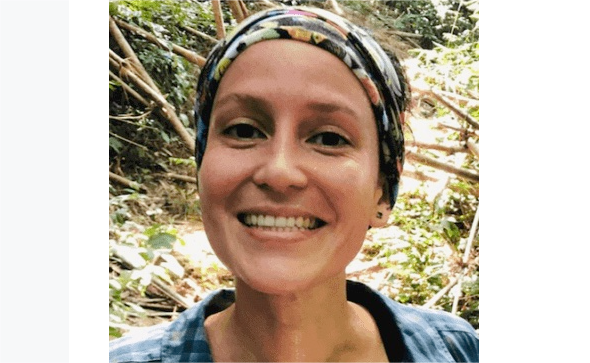
The international scientific community, environmental conservationists across Europe and South America, and loved ones around the globe are mourning the loss of Dr. Maria Laura Tolmos. An exceptionally brilliant forest ecologist, academic, and advocate for global biodiversity, Dr. Tolmos passed away on Sunday, June 21, 2026, after a long, bravely fought illness.
Born and raised amidst the dense canopy of the Peruvian Amazon, Maria Laura dedicated her life to decoding the complex ecosystems of the world’s forests and fighting to preserve them from the threat of human degradation. Her work bridged the gap between elite academic research and frontline, boots-on-the-ground conservation science.
From Kayaking Jungles to a Doctorate in Ecology
For Maria Laura, nature was never a detached concept studied from afar—the Peruvian Amazon was her childhood home. She spent her youth navigating winding jungle rivers in her kayak and tracking wildlife, forging a deep, primal connection with the Earth.
This early love evolved into a powerhouse academic trajectory in Germany at The University of Göttingen:
-
Master of Science (M.Sc.): Tropical and International Forest Sciences (2017–2019). She graduated at the absolute top of her class as a prestigious DAAD full-scholarship holder.
-
Doctor of Philosophy (Ph.D.): Plant Ecology (2020–2024). Her elite research focused on multifaceted tree diversity across island-like mountain ecosystems, funded by the highly competitive Studienstiftung des Deutschen Volkes.
Shielding the Wild: A Distinguished Career
Maria Laura seamlessly translated her academic brilliance into direct corporate and field leadership, protecting both temperate and tropical rainforest networks.
As a crucial director for Wilderness International, she utilized her expertise to orchestrate massive land-trust conservation initiatives, safeguarding endangered wilderness tracts starting in her beloved home country of Peru. She was driven by an urgent clarity, once noting:
“Deforestation, pollution, and the overuse of natural resources aren’t abstract concepts to me. They’re realities I’ve seen affect places and ecosystems I care deeply about.”