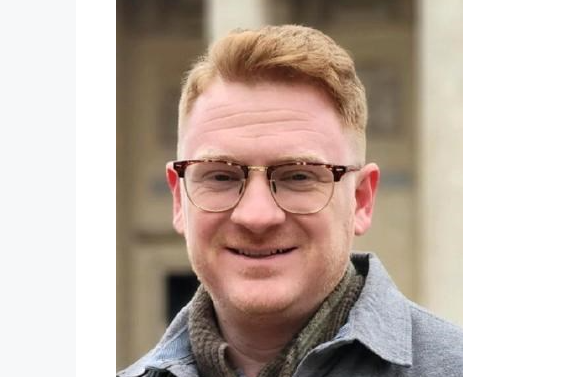
The community of Portapique, Nova Scotia, is once again grieving a heartbreaking loss following the death of Clinton Ellison, whose passing has deeply affected family members, friends, and all those who remember the devastating events that forever changed the small rural community in 2020.
Clinton Ellison is remembered by many as a quiet survivor of unimaginable trauma. He was the brother of Corrie Ellison, one of the victims killed during the tragic mass shooting that shook Nova Scotia in April 2020. The horrifying incident left emotional scars across the province, but for Clinton, the trauma became a deeply personal burden he carried every single day afterward.
On the night of the tragedy, Clinton and his brother Corrie had been visiting their father in Portapique when chaos suddenly erupted around them. As fires and violence spread through the community, the brothers reportedly left the home to investigate what was happening. Tragically, Corrie was fatally shot in the roadway, while Clinton fled into the woods in a desperate attempt to survive.
For hours, Clinton remained hidden alone in darkness and fear, unsure of what was happening around him or whether he would make it out alive. The emotional toll of witnessing such horror and losing his brother in such traumatic circumstances would forever alter the course of his life.
Those who knew Clinton say he struggled tremendously in the years that followed. Friends and loved ones witnessed the lasting psychological impact the tragedy had on him as he battled ongoing mental health challenges connected to the traumatic events of that night. Despite efforts to move forward, the pain and memories reportedly remained overwhelming.
His death has reignited difficult conversations surrounding trauma, mental health support, and the long-term effects experienced by survivors of violence. Many in the community believe Clinton was another victim of the senseless tragedy that unfolded in Portapique, pointing to the invisible emotional wounds that can linger long after public attention fades.
Several people close to the situation have also expressed frustration regarding the emergency response during the 2020 tragedy, particularly the difficulties surrounding communication and the handling of survivors in the aftermath. For some, Clinton’s death serves as a painful reminder that trauma does not simply disappear once headlines end or investigations conclude.
As word of his passing spreads, tributes have begun pouring in from those who remember Clinton not only for the tragedy he endured but also for the person he was before it — a son, brother, friend, and member of a close-knit community. Loved ones describe him as someone deeply affected by loss but still remembered for his humanity, resilience, and the quiet strength he tried to carry despite immense pain.
The grief surrounding Clinton’s passing has touched many throughout Nova Scotia, especially among those who continue to mourn the victims and survivors connected to the 2020 tragedy. For many residents, his death underscores the importance of compassion, mental health awareness, and continued support for those living with trauma.
Family and friends are mourning privately as they come to terms with another painful loss connected to one of the darkest chapters in Nova Scotia’s history. Messages of sympathy, prayers, and support continue to be shared for the Ellison family during this profoundly difficult time.
Though Clinton Ellison’s life was marked by unimaginable tragedy, those who loved him hope he will be remembered not solely for the trauma he endured, but for the person he was at heart — someone whose story reflects both the fragility of life and the lasting impact violence can have on survivors.
If you or someone you know is struggling with emotional distress, trauma, or thoughts of self-harm, reaching out for support from trusted loved ones, mental health professionals, or crisis resources can make a difference. No one should have to face such pain alone.